Things to do in the Outer Banks.
Wild horses, 4×4 beaches, five lighthouses, day-boat seafood — your insider guide to OBX, from the team that lives here.
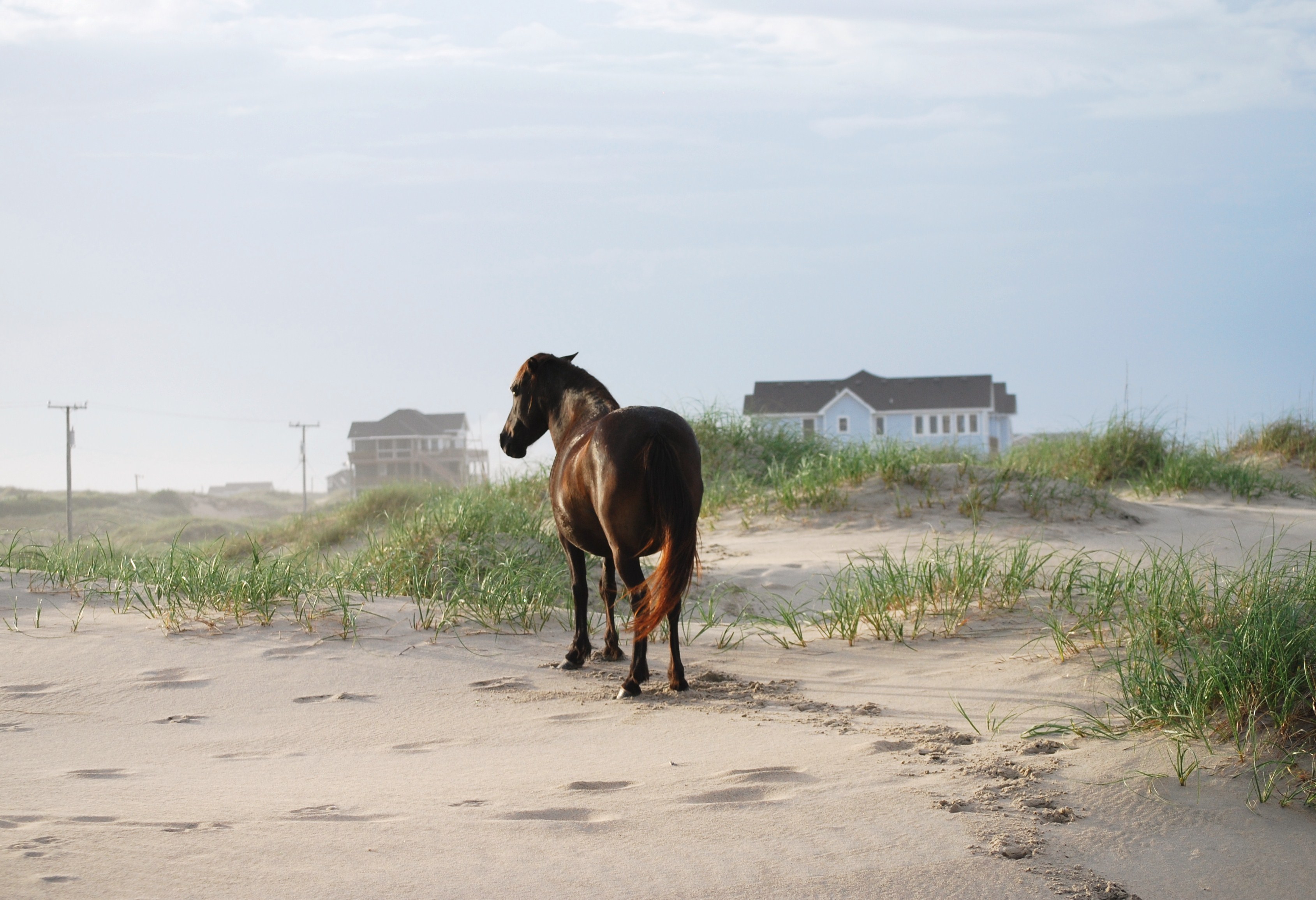
The wild horses of Corolla.
Roughly 120 Colonial Spanish mustangs — believed to descend from 16th-century conquistador horses — roam freely along the 4×4 beach north of Corolla. Spot them on the sand at dawn, grazing in the dunes, or trotting past your estate deck.
- Guided wild-horse tours depart daily from Corolla
- Best sightings at dawn and dusk, near the waterline
- State law requires keeping 50 feet from the herd
- Our 4×4-beach estates see frequent sightings from the deck
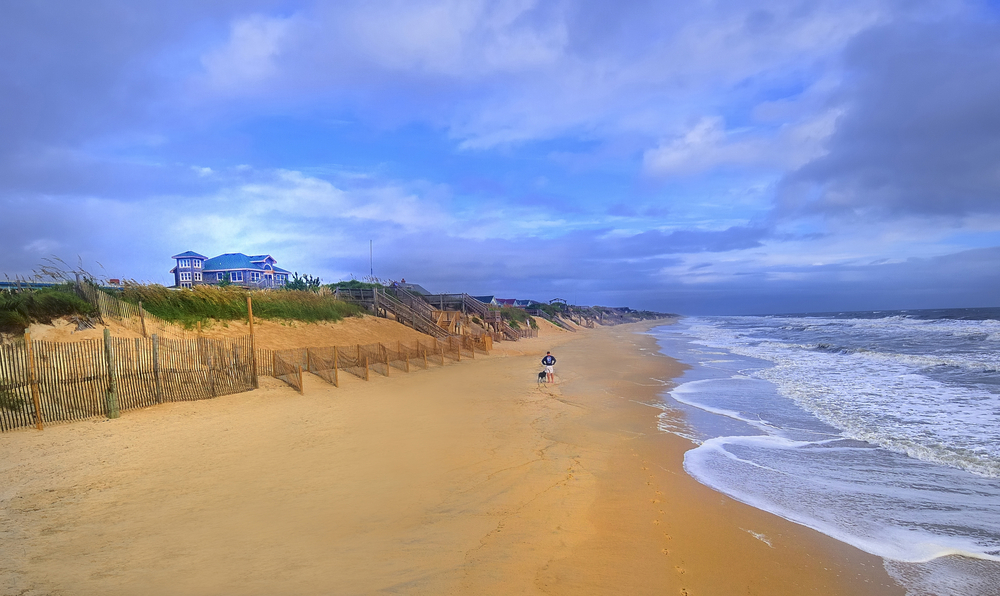
Eleven miles of untouched coastline.
Just south of the Virginia border, the road ends and the wild begins — no pavement, no shops, no crowds. Drive on the sand, park at the water's edge, and have the beach to yourself. Our Three Authors estates sit right here.
- Deflate tires to 18–20 PSI before driving on the sand
- Access via the sand ramp at the end of NC-12 in Corolla
- Shuttle and vehicle rental available if you don't have 4WD
- The Virginia border is visible from the northernmost point
Visit all five lighthouses.
Five of America's most celebrated lighthouses, from Corolla south to Ocracoke. Make a two-day trail of all five — or spend an afternoon on just one.
Currituck Beach↗
Corolla · closest to our estates162 ft, unpainted red brick. Climb 214 steps for views over the 4×4 beach, maritime forest, and Currituck Sound.
02Bodie Island↗
Nags Head · built 1872156 ft with black-and-white horizontal bands, at the gateway to Cape Hatteras National Seashore.
03Cape Hatteras↗
Hatteras Island · tallest in the USA198 ft — the tallest brick lighthouse in America, with the famous spiral stripe. Moved half a mile inland in 1999.
04Ocracoke↗
Ocracoke Island · oldest in NCBuilt 1823 — the state's oldest operating light. Ferry-only access makes it a full-day adventure.
05Cape Lookout↗
Cape Lookout · diamond pattern169 ft with the unique diamond daymark. Ferry from Beaufort; wild Shackleford horses visible from the top.
From first paddle to open-ocean thrills.
The Currituck Sound is flat, calm, and perfect for beginners; the Atlantic side brings surf breaks, parasailing, and kiteboarding wind. Local instructors are among the most experienced on the coast.
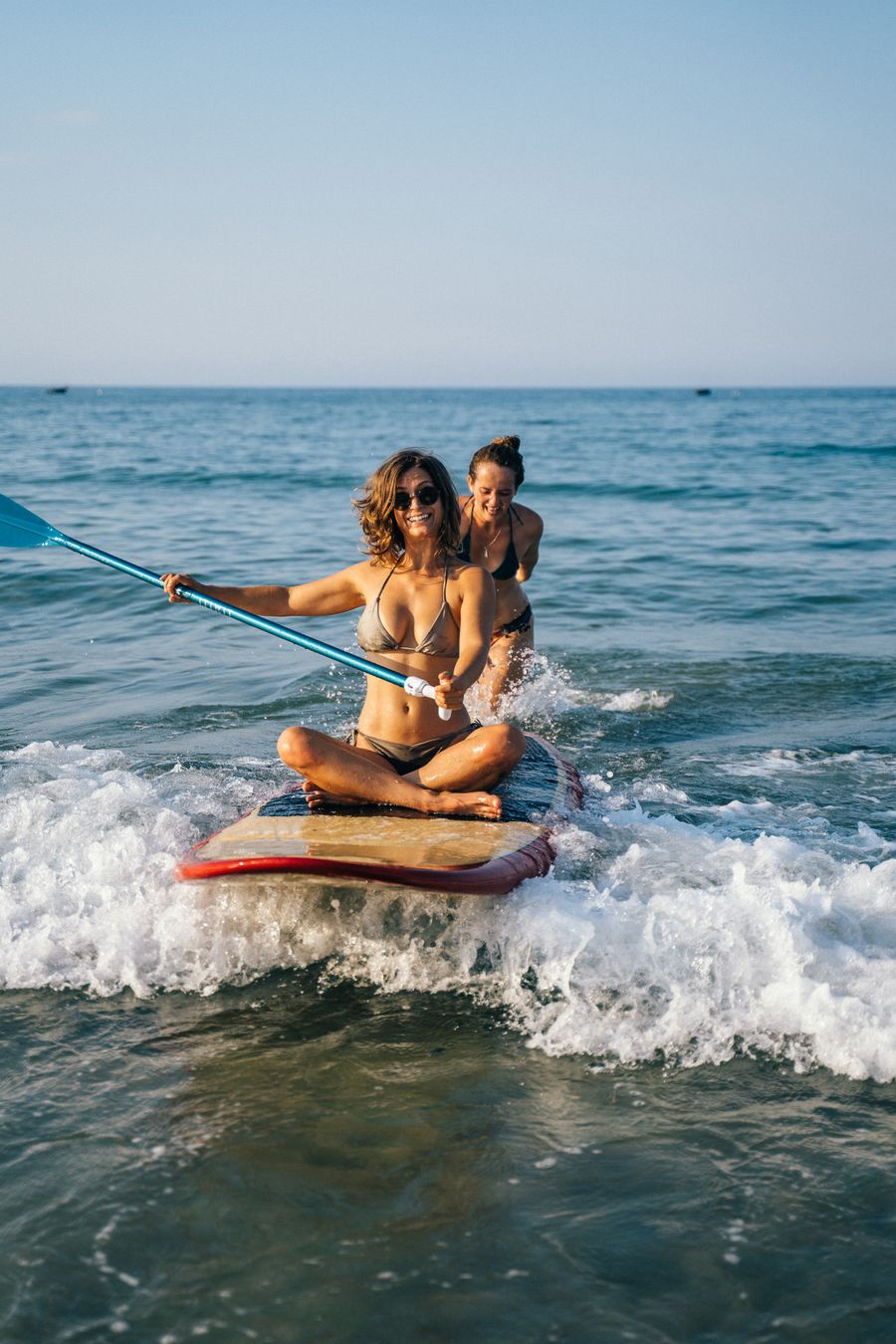
Kayak & paddleboard
Guided eco tours through the sound's marshes — egrets, osprey, herons. Rentals in Duck and Corolla; sunset paddle sessions too.
Surfing & kiteboarding
Beginner-friendly breaks at Nags Head and Corolla; flat-water kiteboarding on the sound. Best swells September–November.
Fishing charters
Offshore for marlin, tuna, and mahi-mahi; inshore for red drum and flounder. Half-day and full-day trips from OBX marinas.
Sunset & dolphin cruises
Golden-hour cruises from Duck and Manteo; dolphin sightings nearly guaranteed in summer. Parasailing and jet skis nearby.
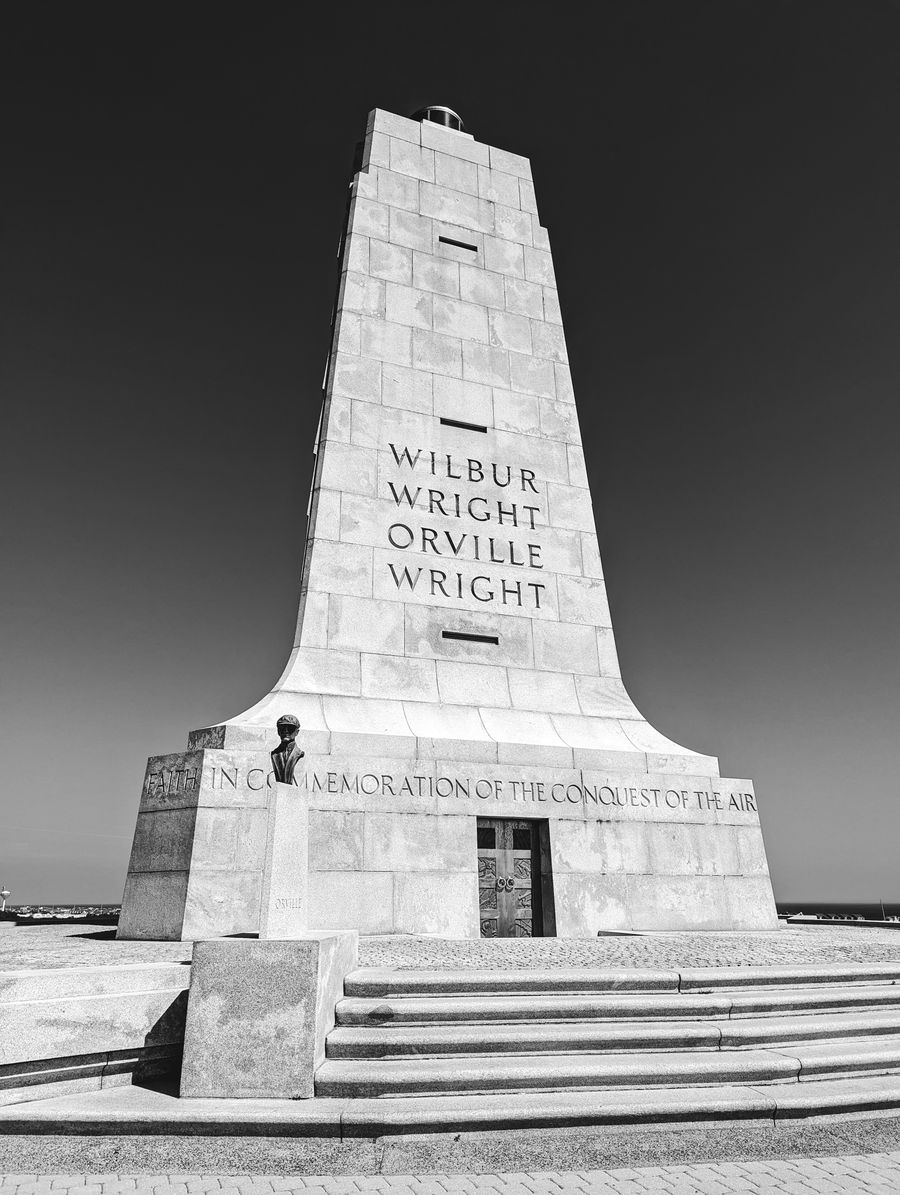
Where flight was born.
On December 17, 1903, Orville Wright completed the world's first powered flight on the dunes of Kill Devil Hills. The Wright Brothers National Memorial preserves the flight path, with a museum and replica 1903 Flyer.
- Wright Brothers Memorial — free with NPS pass; flight markers on the dunes
- The Lost Colony — America's oldest mystery, performed outdoors in Manteo since 1937
- Whalehead in Historic Corolla — restored 1925 Art Nouveau mansion beside Currituck Light
- NC Aquarium, Roanoke Island — sharks, sea turtles, and otters; a must for families
World-class seafood.
Oysters, blue crab, flounder, day-boat tuna — pulled from local waters in the morning, on your plate by lunch. From waterfront shacks to white-tablecloth dining, OBX holds its own against any coastal destination in America.
Blue Point↗
DuckWaterfront dining on the sound with an acclaimed wine list.
02Owen's Restaurant↗
Nags HeadAn OBX institution since 1946 — classic coastal Carolina cooking.
03Pescados↗
Corolla · closest to our estatesFresh catches and seafood minutes from the 4×4 beach entry.
04Awful Arthur's↗
Kill Devil HillsRaw oyster bar with ocean views — casual and beloved.
05Fisherman's Wharf↗
WancheseBuy straight from local fishermen at the working harbor.
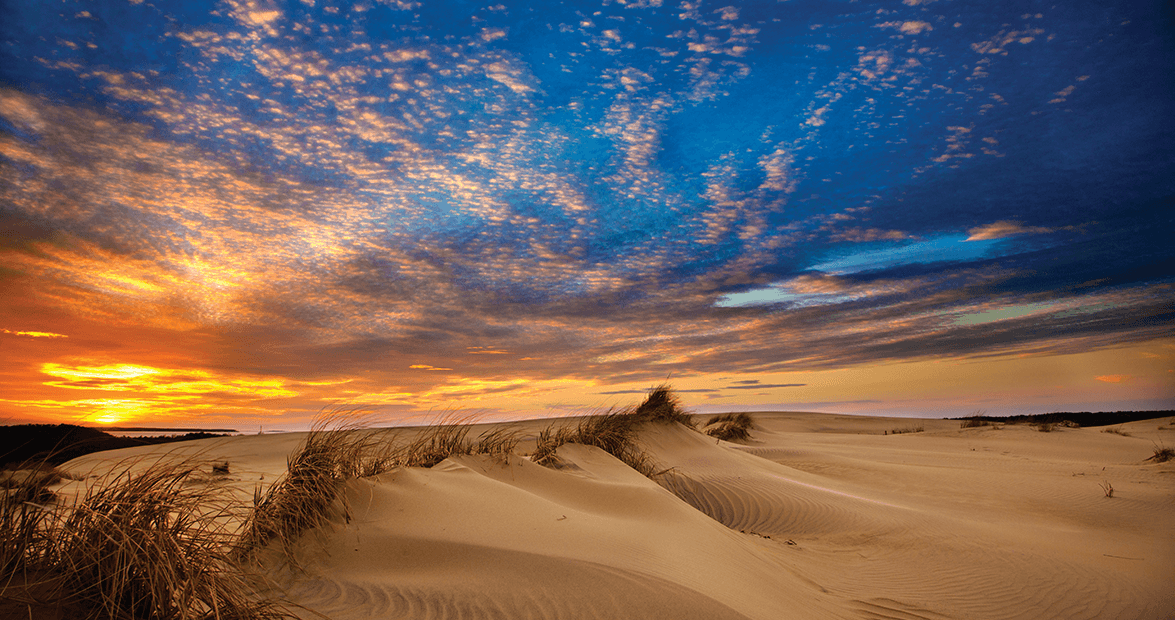
Jockey's Ridge — tallest dunes in the East.
North Carolina's most-visited state park: 427 acres of active dunes up to 80 feet high, with views from ocean to sound. Hang gliding lessons run daily — it's the most popular learn-to-fly site in the country.
- Sunset hike to the summit — 45 minutes, free entry
- Hang gliding, kite flying, and sandboarding on the dunes
- Maritime forest trails behind the 4×4 beach — wind-sculpted live oaks
- Birding on the Atlantic Flyway — tundra swans by the thousands in winter
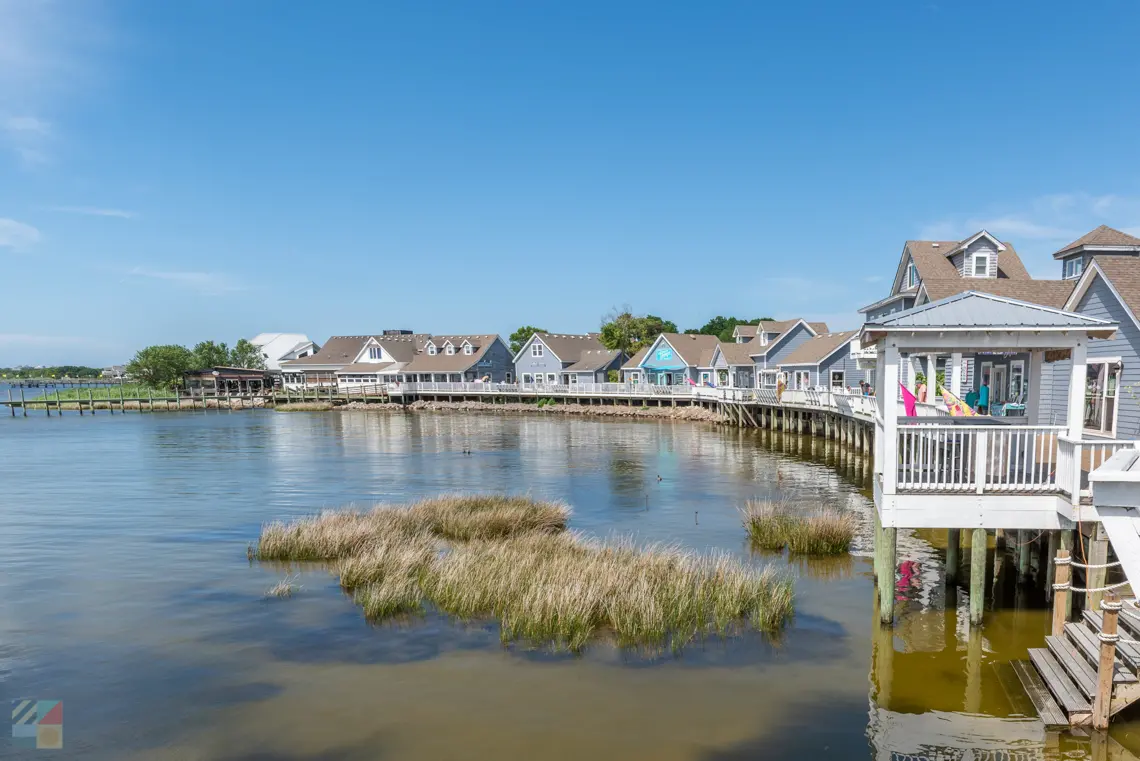
Shopping along the sound.
Duck's waterfront row of locally owned boutiques, galleries, and specialty shops sits on boardwalks over the Currituck Sound — worth the trip even if you don't buy a thing. Park once and walk the full waterfront.
- Duck Village Waterfront — boutiques, galleries, and restaurants on the sound
- Corolla Light Town Center — shops and dining nearest the estates
- Outer Banks Olive Oil Co. — specialty oils, vinegars, and tastings
- Nags Head gallery district — original art, photography, and sculpture
OBX is open year-round.
Summer is peak — but fall and spring bring fewer crowds, lower rates, and often the best weather of the year.
Summer
Peak season. Warmest water (78–82°F), every activity running, long evenings. Book estates 6–12 months ahead.
Fall
The local favourite. Mild weather, empty beaches, the year's best surf and fishing — at lower rates.
Spring
Wildflowers, peak bird migration, and lighthouses without the lines. Quiet and warming fast.
Winter
Quiet and beautiful. Horses are most visible, tundra swans arrive by the thousands, and rates are the lowest of the year.
Experience OBX from a private oceanfront estate.
The Fitzgerald · The Hemingway · The Mark Twain — three estates on Corolla's private 4×4 beach, in the heart of everything on this page.